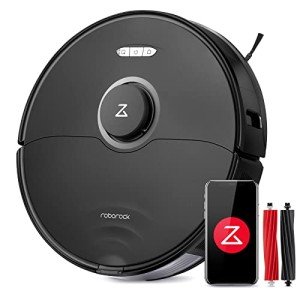
15 Unquestionable Reasons To Love Robot Vacuum Cleaner


The Rise of Robot Vacuum Cleaners in Industrial Settings
In current years, the landscape of industrial cleaning has actually experienced a considerable transformation with the intro of robot vacuum cleaners. These automated devices are not simply a novelty for homes; they have gotten traction in warehouses, making plants, and other industrial environments. Dannie Steitz explores the functionality, benefits, and factors to consider of robot vacuum cleaners within the industrial context, while responding to some often asked concerns.
What are Robot Vacuum Cleaners?
Robot vacuum are automated cleaning devices geared up with sophisticated sensors and technology that allow them to navigate around spaces, identify dirt, and vacuum surface areas without direct human intervention. In industrial settings, they are developed to handle a variety of particles types, assist in routine cleaning schedules, and enhance total functional efficiency.
Table 1: Key Features of Industrial Robot Vacuum Cleaners
| Function | Description |
|---|---|
| Navigation | Utilizes LiDAR or camera-based navigation for exact mapping. |
| Size and Design | Compact and robust style to suit tight spaces and stand up to difficult environments. |
| Self-Charging | Automatically go back to its docking station for recharging. |
| Dustbin Capacity | Bigger dustbin suited for industrial debris sizes and volumes. |
| Programming | Can be programmed for scheduling and specific cleaning jobs. |
| Information Collecting | Geared up with sensing units to collect data for upkeep and cleaning analysis. |
Benefits of Robot Vacuum Cleaners in Industrial Settings
The adoption of robot vacuum cleaners includes a myriad of advantages:
Increased Efficiency:
- 24/7 Operation: Unlike human cleaners, robots can operate around the clock, contributing to constant cleanliness without downtime.
- Time-Saving: Automated cleaning allows employees to concentrate on core jobs instead of cleaning duties.
Expense Savings:
- Labor Costs: Maintaining a robot vacuum can lower the requirement for a large cleaning personnel, decreasing overall labor expenses.
- Functional Efficiency: With enhanced cleanliness and decreased downtime due to upkeep concerns, organizations can conserve on operational costs.
Enhanced Safety:
- Reduced Risk: By decreasing the human involvement in harmful cleaning environments, the threat of accidents is lessened.
- Constant Cleaning: Robot vacuums make sure that areas are regularly cleaned, lowering slip threats and unhealthy environments.
Increased Flexibility:
- Customizable Cleaning Routes: These makers can be set to clean particular areas or floors, adjusting to altering industrial designs.
- Variety of Surfaces: Industrial robot vacuums can manage different flooring types, from concrete to tiles, making them flexible.
Ecological Impact:
- Sustainable Cleaning Solutions: Many designs utilize minimal water and eco-friendly cleaning solutions, helping in corporate sustainability efforts.
Table 2: Industrial Applications of Robot Vacuum Cleaners
| Industry | Application |
|---|---|
| Manufacturing | Cleaning assembly line and assembly locations. |
| Warehousing | Maintaining clean and organized storage spaces. |
| Food Processing | Ensuring cleanliness in delicate areas to satisfy hygiene standards. |
| Pharmaceuticals | Maintaining ultra-clean environments for production. |
| Logistics and Distribution | Keeping paths clear for effective operation. |
Obstacles and Considerations
While the advantages are considerable, companies should also consider a number of obstacles:
- Initial Investment: The upfront expenses of acquiring industrial robot vacuum cleaners can be significant, though long-lasting savings may offset this expense.
- Repair and maintenance: Regular maintenance is necessary to keep the robotic systems functioning efficiently, and repair work can sustain additional costs.
- Combination: Businesses might need to integrate these machines into existing workflows, which can require time and adjustment.
- Training and Support: Staff might require training to efficiently manage these devices, especially when repairing or shows is required.
Frequently Asked Questions About Robot Vacuum Cleaners in Industrial Settings
1. Just how much do industrial robot vacuum cleaners cost?
The expense can vary from a couple of thousand to tens of countless dollars, depending upon requirements, functions, and brand name.
2. What kinds of surface areas can they clean up?
Robot vacuum are ideal for numerous surfaces consisting of carpets, tiles, concrete, and even some wood floorings.
3. How do they navigate intricate industrial environments?
Most industrial robot vacuums utilize sophisticated navigation systems like LiDAR, cams, and sensing units to map out and adjust to their environments for efficient cleaning.
4. Can they clean large areas without human intervention?
Yes, industrial robot vacuums are developed to tidy substantial locations with predetermined routes and schedules, efficiently running autonomously.
5. Are these robots eco-friendly?
Many models prioritize effectiveness and reduce water use, making them a more eco-friendly cleaning choice compared to conventional approaches.
The intro of robot vacuum into industrial environments signifies an exceptional improvement in cleaning technology. With their capability to boost effectiveness, lower labor costs, and maintain security, these automated systems are paving the way for smarter and cleaner industrial operations. While obstacles may exist, the long-term advantages and technological developments are encouraging for industries seeking to improve their cleaning procedures. As technology continues to progress, we can expect further developments in robot vacuum that will change industrial cleaning practices even more.